 Teka

Kitchen sink sizes and materials: how to choose the right sink
Start with the cabinet, not the sink style. The sink must fit inside the base unit, its rim or clips must clear the cabinet walls, and its cut-out must suit the worktop. Once those dimensions are fixed, compare a single or double bowl, stainless steel or granite composite, and inset or undermount installation. This guide takes those decisions in the order that prevents an expensive mismatch.
Start with the cabinet width
The base cabinet is the hard limit. Its outside width is not the same as the clear space inside it, because the two side panels take up part of that width. The bowl, clips, waste fittings and any overflow connection all have to fit between those panels. A sink described as 86 cm wide therefore does not automatically fit every cabinet described as 90 cm.
Measure the clear internal width at the top of the cabinet and check for hinges, drawer runners, braces, a waste bin or a water filter that reduces the usable space. Then compare that measurement with the minimum cabinet width stated for the exact sink. If the manufacturer does not state one, ask before ordering rather than estimating from the overall sink width.
- Measure the clear inside width, not only the cabinet door or the outside of the unit.
- Check the space needed by clips, waste fittings and overflow pipes below the bowl.
- Allow for hinges, drawers, bins, filters and the trap inside the same cabinet.
- Confirm the manufacturer's minimum cabinet width for the exact model.
Overall size, bowl size and cut-out are different
A sink can carry three sets of measurements. Overall size is the full outside width and front-to-back depth. Bowl size describes the usable basin. Cut-out size is the opening made in the worktop. They are related, but they are not interchangeable.
Use the overall size to judge how the sink sits in the worktop and how much counter remains in front, behind and beside it. Use the bowl size to decide whether your largest pan or tray fits. Give the cut-out drawing to the fabricator only after the exact sink model has been selected; never create the opening from a category label or a similar-looking model.
KitchenByPro lists sink sizes as width x depth in centimetres so products can be compared consistently. A label such as 86 x 50 cm is the body size, not permission to cut an 86 x 50 cm opening.
Common sink sizes in the catalogue
The KitchenByPro sink range covers compact square bowls, standard single bowls, one-and-a-half bowl layouts and wide double bowls. Frequently represented overall sizes include 44 x 44 cm, 54 x 44 cm, 77 x 44 cm, 86 x 50 cm, 100 x 50 cm and 116 x 50 cm, but the correct choice is the one that agrees with the cabinet and worktop rather than the most familiar number.
A compact bowl preserves more worktop and can suit a preparation area or a small apartment. Mid-width single bowls give large cookware one uninterrupted space. The widest layouts normally add a second bowl or drainer, which is useful only when the cabinet run and the way you wash justify the extra width.
Two sinks with the same overall width may have very different bowls. A model with a drainer gives part of its width to the draining surface, while a large single bowl uses most of that width as basin space. Compare the dimension drawing, not just the headline size.
Single bowl, one-and-a-half bowl or double bowl
A single bowl gives one large uninterrupted basin. It is usually the practical choice for washing oven trays, stock pots and wide cookware, and it leaves the plumbing below simpler. The trade-off is that washing and rinsing cannot be separated unless you use an accessory bowl.
A one-and-a-half bowl adds a smaller bowl for rinsing, draining or food preparation without taking the full width of a double bowl. Check the tap position and the waste layout, because two outlets and an overflow need more space below than one.
A double bowl separates washing and rinsing and can work well when two people use the sink at once. It needs enough cabinet width and divides the available space, so each individual bowl may be smaller than the bowl in a single-bowl sink of similar overall width. Choose it for your washing routine, not because two bowls sound automatically better.
Stainless steel sinks
Stainless steel is the largest material family in the KitchenByPro sink catalogue. It is available in compact and wide sizes, single and double bowls, and inset, flush and undermount forms. Its neutral finish works with most appliance colours and it is comparatively light, which helps where the worktop or cabinet has limited load capacity.
The surface will develop fine use marks over time. A brushed or satin finish usually makes ordinary marks less noticeable than a highly reflective finish, but the exact care instructions depend on the manufacturer. Clean in the direction of the grain where one is visible, rinse away detergents and dry standing water rather than using abrasive pads or harsh chemicals.
Material descriptions vary across the catalogue, including stainless steel and AISI 304 stainless steel. Treat the exact product sheet as the authority for a model rather than assuming every steel sink has the same grade, thickness or finish.
Granite and composite sinks
Granite and composite sinks bring colour and a more stone-like appearance to the worktop. Black, grey, beige and white families can coordinate with the counter or create a deliberate contrast. The colour is part of the material rather than a metallic coating, but the composition and care requirements differ by manufacturer.
Composite sinks are heavier than many steel sinks, so the cabinet and worktop must support the exact model. Check what cleaners the manufacturer permits, particularly for pale colours and hard-water deposits. Do not assume a cleaner that is safe on stainless steel is safe on a composite surface.
Colour samples on a phone are useful for narrowing the choice, not for making the final match. Compare the manufacturer's finish sample with the worktop and tap finish under the kitchen lighting where possible.
Inset, undermount and flush installation
An inset or top-mount sink drops into the opening and leaves its rim visible on the worktop. It is the most forgiving replacement format because the rim covers the cut edge, but the new sink still has to cover the existing opening and fit the cabinet below.
An undermount sink is fixed below the worktop, leaving a clear edge around the bowl. It needs a worktop material and installation method suitable for an exposed cut edge and for supporting the sink from below. The fabricator must follow the template for the exact model.
A flush-mount sink sits level with the surrounding surface and requires precise fabrication. Do not select the mounting style separately from the worktop: the material, thickness, edge treatment and fabricator's method decide which installations are practical. The separate sink-mounting guide explains these three formats in more detail.
Tap holes, drainers and handed layouts
Some sinks arrive with a tap hole, some have prepared knock-outs, and others expect the tap to be mounted through the worktop. Confirm the number and position before ordering, especially if you need a soap dispenser, filtered-water tap or pull-out mixer beside the main tap.
A drainer can be left-handed, right-handed or reversible depending on the model. Decide its direction from the dishwasher position, the preparation area and how you move dishes through the kitchen. A photograph may show one orientation even when the product supports both, so check the specification rather than reading the image as a promise.
Leave clearance behind the sink for the tap body, handle movement and any pull-out hose. Below the worktop, the hose needs a clear path to retract without catching the trap, bin or stored cleaning products.
Replacing an existing sink
Replacement is governed by the existing opening. A slightly larger inset sink may cover and replace it if the worktop and cabinet allow the opening to be enlarged. A smaller sink cannot cover an oversized cut-out without changing or repairing the worktop.
Measure the existing cut-out from below where possible, then record the overall outside size of the current sink. Photograph the cabinet interior, trap, tap connections and any obstruction. Give those measurements and the new sink's drawing to the installer before purchase.
An old undermount or flush sink is less forgiving because the exposed edge was fabricated for that model. The safest replacement is one whose template has been checked against the existing opening by the worktop fabricator.
Your final sink checklist
Work through the irreversible decisions first. Once the cabinet, overall footprint, cut-out and mounting method agree, bowl layout, material, colour and accessories become safe choices rather than guesses.
- Clear internal cabinet width and any obstructions below the worktop.
- Overall sink width x depth, bowl dimensions and the exact cut-out drawing.
- Single, one-and-a-half or double bowl based on the cookware you actually wash.
- Inset, undermount or flush installation agreed with the worktop fabricator.
- Stainless steel or composite material, with the maker's care requirements understood.
- Tap-hole count, tap clearance, drainer direction, waste kit and overflow parts.
- Final installation by a competent sink and worktop installer.
Kitchen Sinks by Size and Material in the catalogue
294 products match this guide's recommendation, 188 of them in stock today. Showing 8, in-stock first.
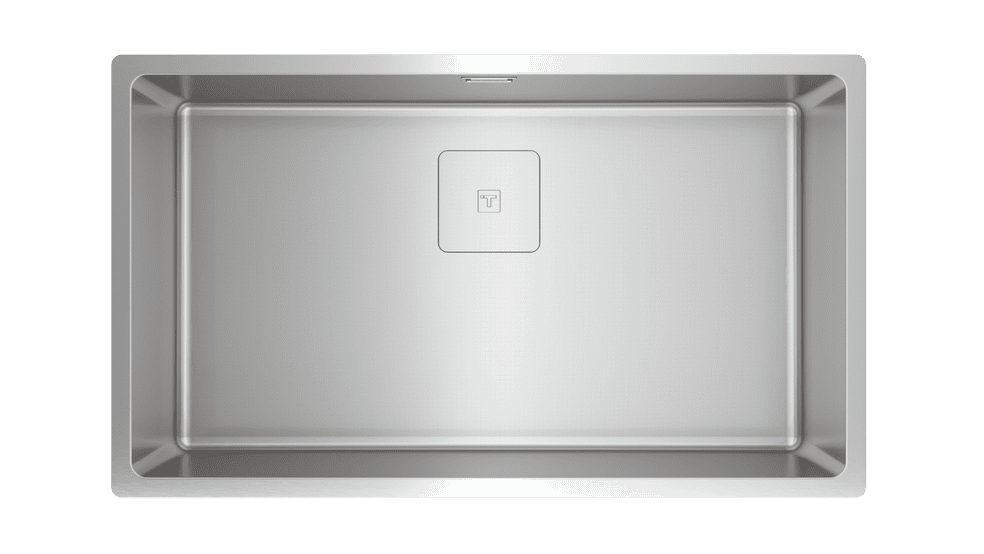
Teka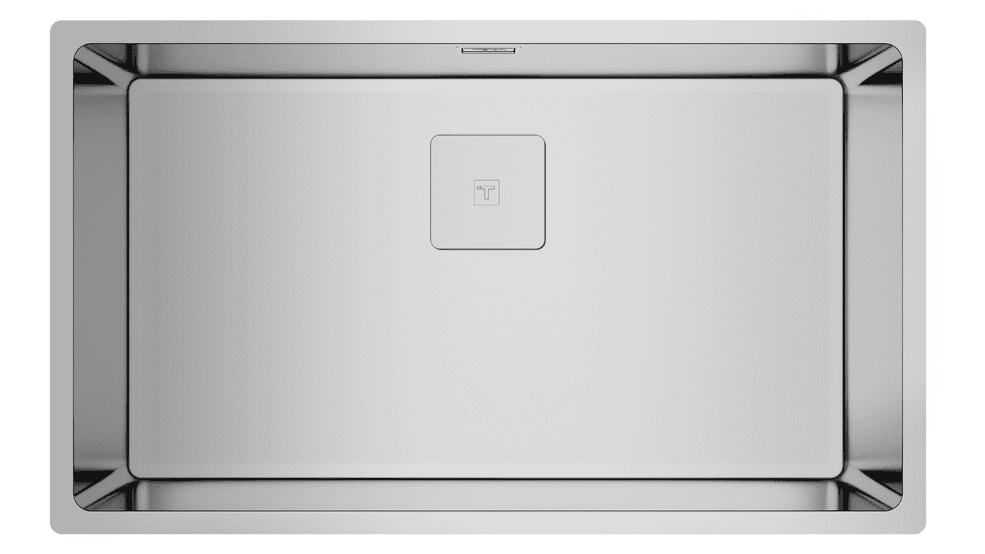 Teka
TEKA MAESTRO FlexLinea RS15 71.40 Stainless Steel Sink with one bowl
AED 2,896● In stockSelect options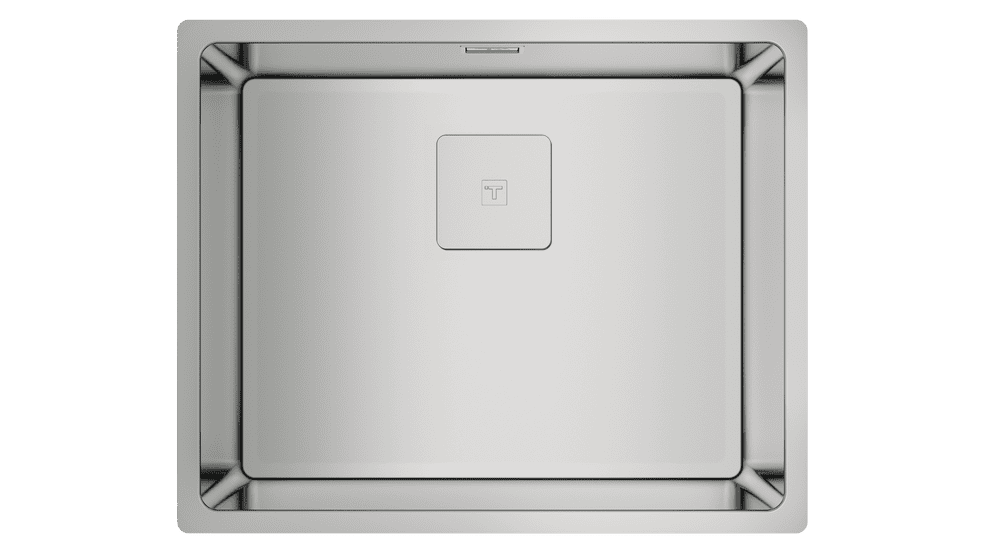 Teka
TEKA MAESTRO FlexLinea RS15 50.40 Single Bowl Stainless Steel Sink
AED 1,934● In stockSelect options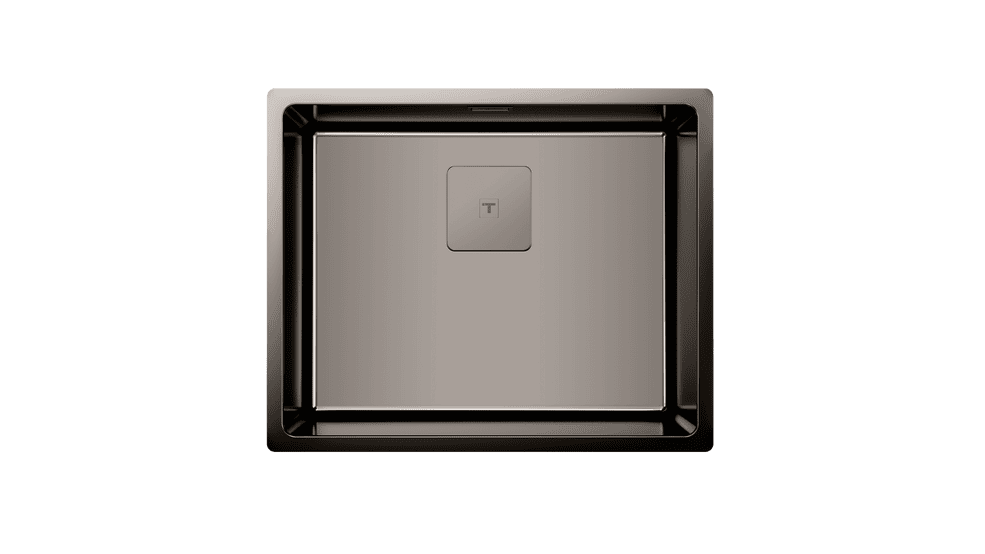 Teka
TEKA MAESTRO FlexLinea RS15 50.40 Titanium 3-in-1 installation stainless steel sink with One bowl
AED 4,909● In stockSelect options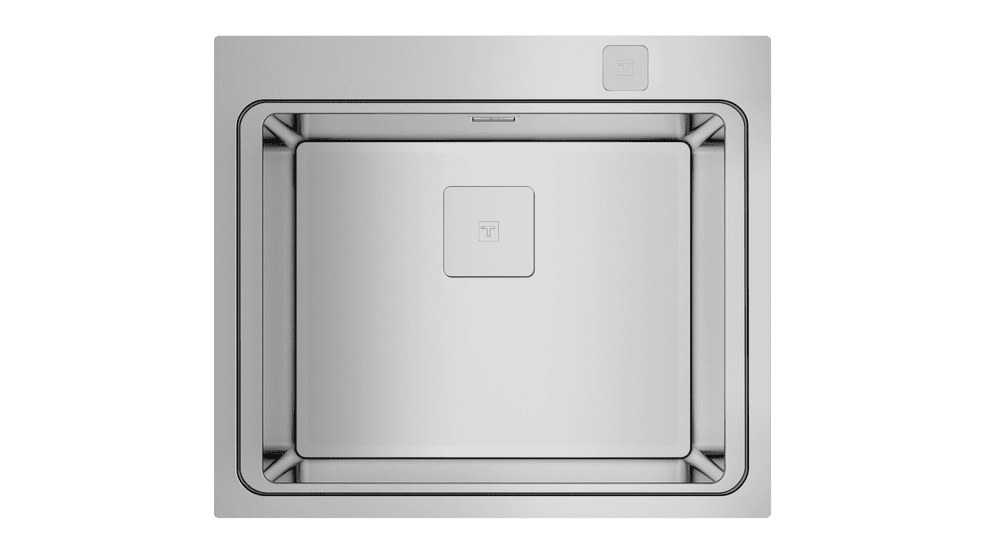 Teka
TEKA MAESTRO Zenit RS15 1B Inset Stainless Steel Sink with one bowl
AED 1,824● In stockSelect options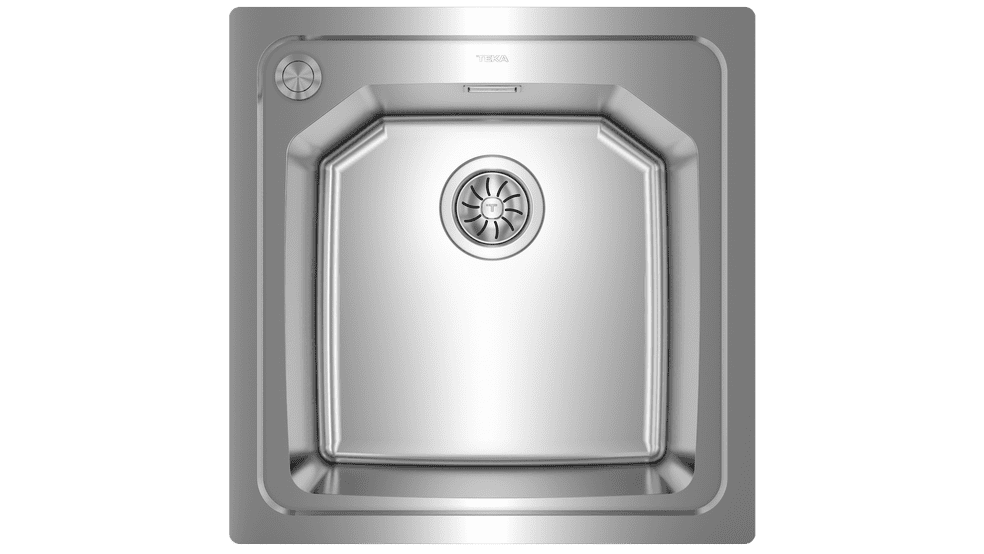 Teka
TEKA MAESTRO Brooklyn 50 M-XP 1B Top Mount Stainless Steel Sink
AED 1,179● In stockSelect options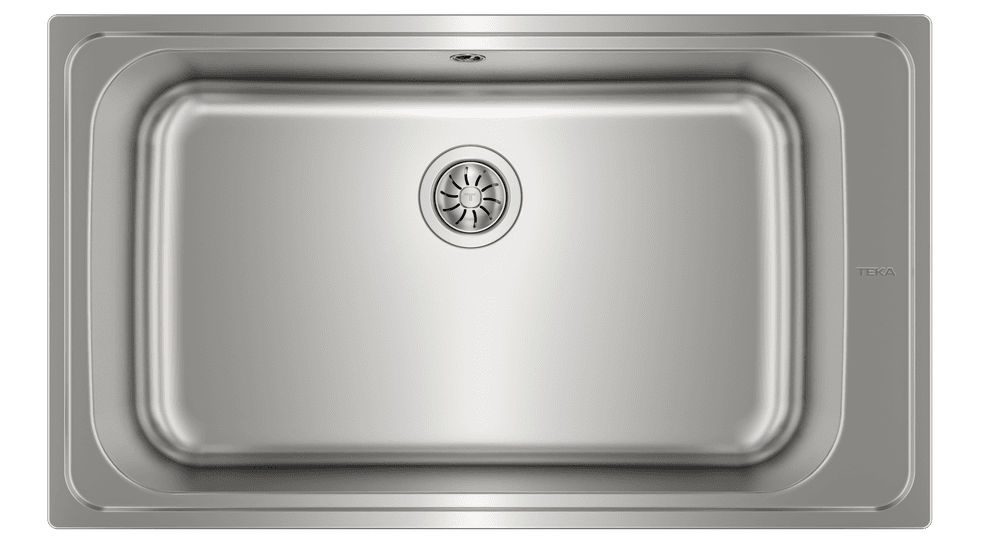 Teka
TEKA TOTAL Bahia 1B PLUS Inset Stainless Steel Sink
AED 1,087● In stockSelect options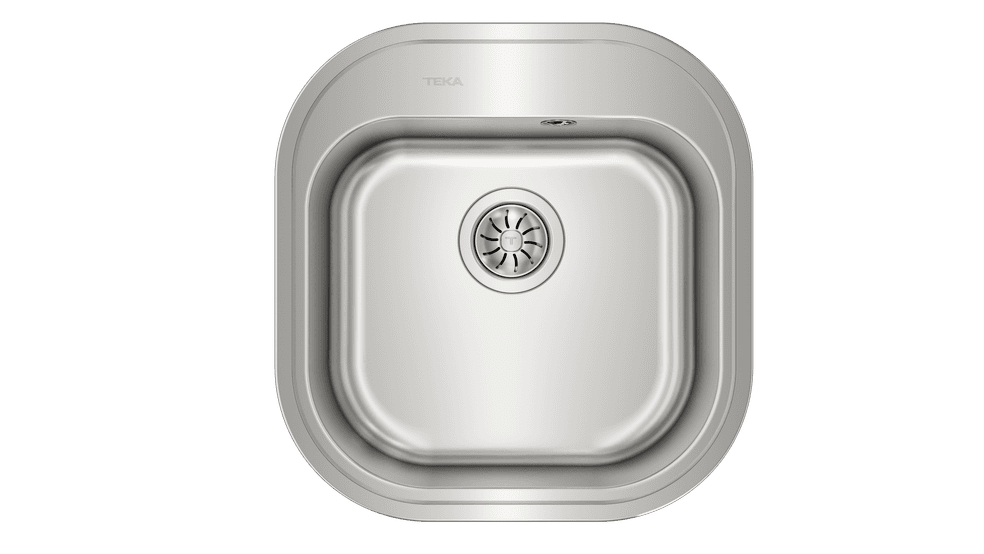 Teka
TEKA TOTAL Stylo 1B Inset Single Bowl Stainless Steel Sink
AED 420● In stockSelect optionsSee the full selection on Kitchen Sinks by Size and Material or browse Kitchen Sinks.
Kitchen sink sizes and materials: how to choose the right sink: common questions
What size kitchen sink fits a 60cm cabinet?
The cabinet label alone is not enough. Measure the clear internal width and check the sink manufacturer's minimum cabinet width, because side panels, clips, waste fittings and hinges reduce the usable space.
Is stainless steel or granite composite better for a kitchen sink?
Neither is universally better. Stainless steel is light, widely available and easy to coordinate. Composite offers colour and a stone-like appearance but is heavier and has maker-specific care instructions. Choose after confirming the cabinet, worktop and maintenance you prefer.
Should I choose a single or double-bowl sink?
Choose a single bowl when large trays and pans need one uninterrupted space. Choose a double bowl when separating washing and rinsing matters more and the cabinet is wide enough. Compare the individual bowl dimensions, not only the outside width.
Can I replace my kitchen sink without changing the worktop?
Sometimes. The new model must cover the existing opening and fit the cabinet. An inset sink can be more forgiving; undermount and flush replacements need the fabricator to compare the new template with the existing cut-out before purchase.
Is the listed sink size the same as the cut-out size?
No. KitchenByPro's size label is the overall sink width x depth. The cut-out is a separate, smaller opening defined by the exact model's installation drawing. Never cut the worktop from the category size label.